
Vinyl Fence
The major advantage of vinyl fencing is that it’s relatively maintenance-free. Vinyl fencing will last much longer than a traditional cedar fence. If you choose a vinyl fence, you don’t have to worry about replacing it after 5-10 years because it’s rotted out. Vinyl fences don’t need to be periodically painted or stained; about the only maintenance you should plan on is pressure washing your fence after it collects dirt and dust.
Vinyl fencing will continue to grow in popularity as more and more homeowners simply don’t want to spend their weekends painting, staining, or repairing a fence that’s fighting a losing battle against the elements.
The day a vinyl fence is installed, all traditional maintenance halts. No chipping, cracking, rotting, or peeling. This peace of mind is backed by our vinyl fence fabricators with a Limited Lifetime Warranty — so you can invest with confidence.
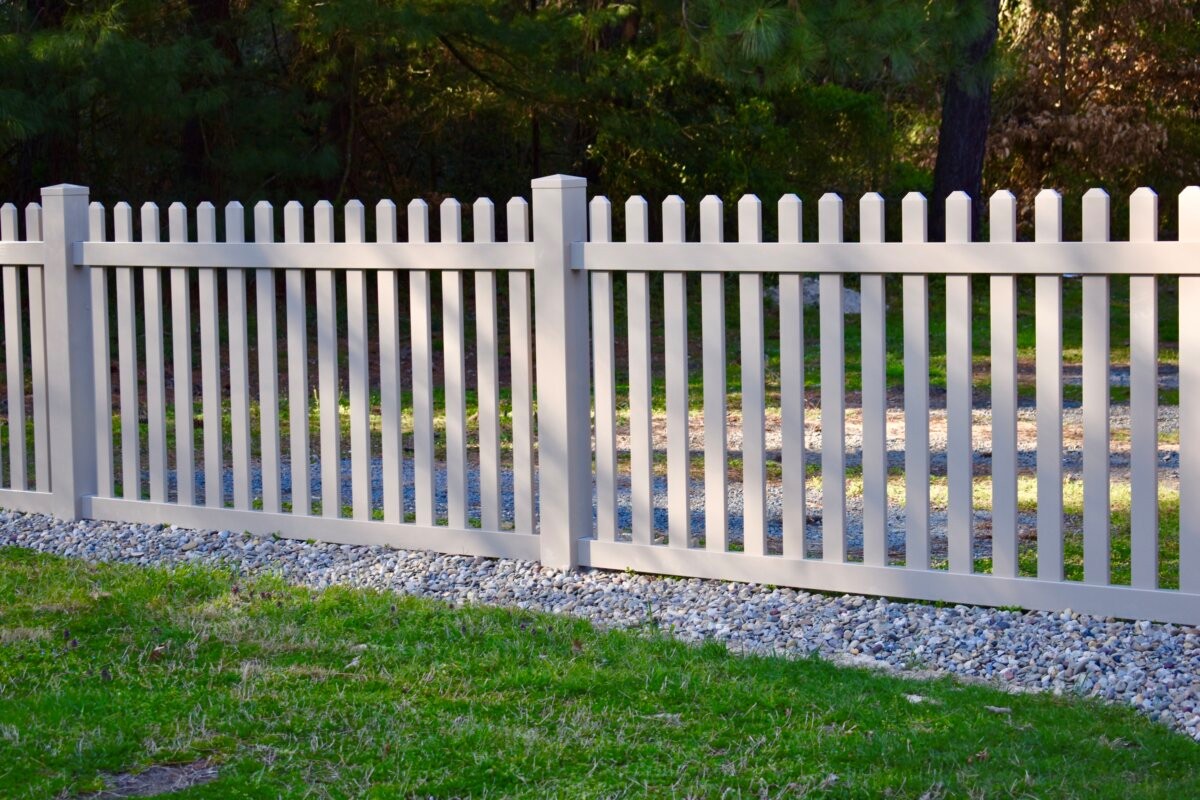
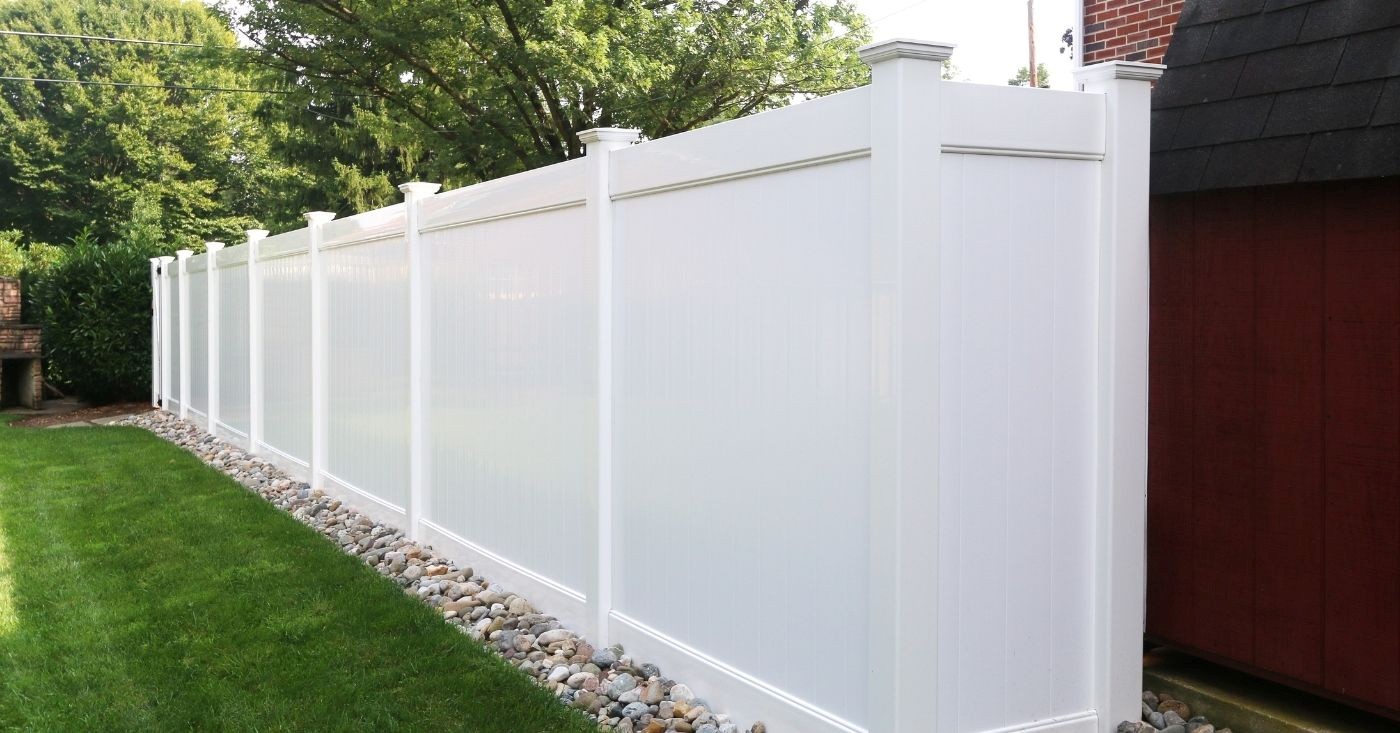
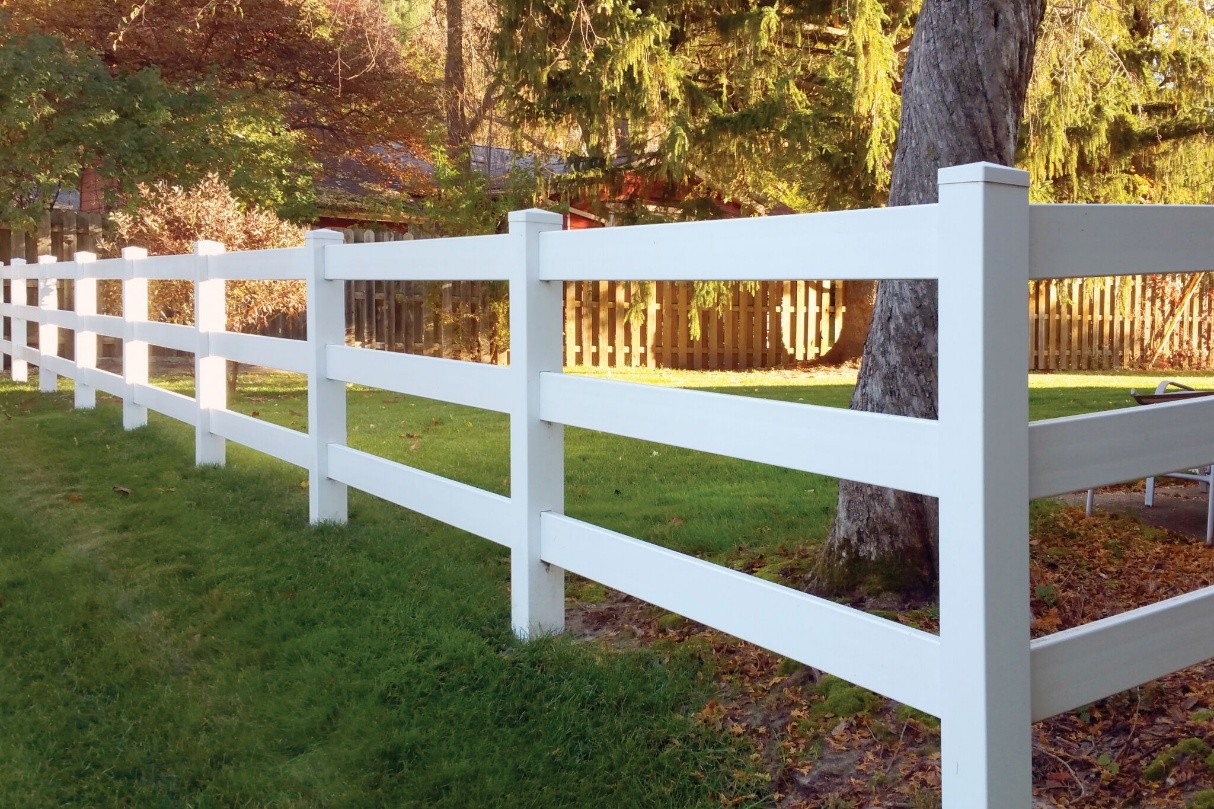
Why Choose Vinyl Fencing?
Vinyl fencing is built from polyvinyl chloride (PVC), a synthetic material engineered to withstand the outdoor elements year after year. It resists moisture, humidity, insects, and UV exposure — everything that quietly destroys a wood fence over time. Whether you’re dealing with Florida heat and humidity or seasonal weather swings, a vinyl fence holds its own without asking anything in return.
Here’s what makes vinyl the smart long-term choice:
- No rot, no rust, no warping. Vinyl is completely impervious to moisture, so there’s no wood to decay and no metal to corrode.
- Pest resistant. Termites and wood-boring insects aren’t interested in PVC. Your fence stays structurally sound season after season.
- Fade resistant. The titanium dioxide used in vinyl manufacturing helps the material hold its color and finish over time, even under direct sun exposure.
- Low lifetime cost. While vinyl has a slightly higher upfront cost than wood, the savings on maintenance, repainting, and early replacement make it the more economical choice over the long haul.
When you add it all up, a vinyl fence doesn’t just look good on day one — it looks just as good 20 or 30 years later.
Vinyl vs. Wood: A Real Comparison
Wood fences have a certain charm, but that charm comes at a price. A traditional cedar fence typically lasts 10–15 years with consistent upkeep — yearly staining, periodic repairs, and eventual replacement. A high-quality vinyl fence, on the other hand, can last 25–30 years or more with little more than a rinse from the garden hose. That means potentially replacing a wood fence twice in the same timeframe where one vinyl fence is still standing strong.
The ongoing costs of wood maintenance — painters, stains, sealants, lumber repairs — add up quickly. With vinyl, those budget line items simply disappear.
Vinyl Fence Styles
Whatever your property needs — privacy, curb appeal, pool compliance, or a classic look — there’s a vinyl fence style built for it. Explore our full gallery by category:
Vinyl Fence FAQs
How long does a vinyl fence last?
A high-quality vinyl fence typically lasts 25–30 years or more with minimal maintenance. That’s significantly longer than a traditional wood fence, which usually needs replacement after 10–15 years — even with regular upkeep. Because vinyl is made from PVC, it won’t rot, warp, or succumb to insect damage the way wood does.
Our vinyl fences are backed by a Limited Lifetime Warranty, reflecting just how confident we — and our fabricators — are in their long-term performance.
Is vinyl fencing more expensive than wood?
Vinyl fencing does have a higher upfront cost than wood, but it consistently proves to be the more economical choice over time. When you factor in the ongoing expenses of wood maintenance — staining, sealing, repainting, and eventual replacement — vinyl typically costs far less across its lifespan.
You won’t be budgeting for painters or materials every few years. With vinyl, the biggest investment is the installation itself. Everything after that is simple, low-cost upkeep.
What maintenance does a vinyl fence require?
Very little — and that’s the whole point. Once a vinyl fence is installed, the traditional maintenance checklist disappears. There’s no painting, staining, sealing, or sanding.
The primary upkeep is occasional cleaning — pressure washing or a rinse with a garden hose will remove accumulated dirt, dust, and mildew.
For stubborn spots, a mild soap solution does the trick. That’s genuinely it. No annual projects, no weekend repairs, no rotted boards to replace.
What colors does vinyl fencing come in?
Most vinyl fencing is manufactured in white or almond, which pairs cleanly with a wide range of home exteriors and landscaping styles. The titanium dioxide used in the production process is naturally white, and because dark colors absorb heat that can cause warping or expansion, manufacturers keep the palette light.
The good news: white vinyl is a timeless look that doesn’t go out of style, stays bright without painting, and holds its color for decades without fading.
Is vinyl fencing safe for pools?
Yes — vinyl fencing is one of the most popular choices for pool enclosures, and for good reason. It handles moisture and humidity without rusting, rotting, or deteriorating, which makes it ideal for the wet environment around a pool.
Our Pool & Yard styles are specifically designed to meet safety and aesthetic requirements for residential pool areas. Vinyl won’t splinter the way wood can, and it won’t corrode like metal — keeping your pool area looking clean and safe for years.